
The Most Dangerous Cyber Scam Right Now Looks Like Your Bank.
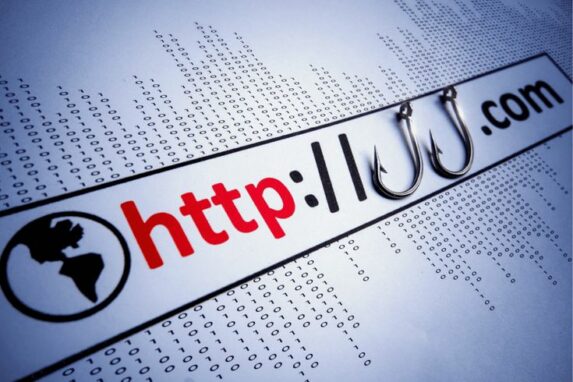
Phishing attacks targeting young professionals are at an all-time high. This is what a bank phishing scam looks like, and this is how you survive it.
The promise of quick money is one of the oldest traps in the world. Today, it arrives in your inbox, polished, urgent, and very nearly convincing.
For many young professionals, the pressure to succeed financially is relentless. Student loans linger. Rent climbs. Social media flaunts other people’s highlight reels. In this climate of urgency, the line between a promising opportunity and a dangerous trap can feel razor-thin, and cybercriminals know it.
What follows is a story drawn from real events. It begins with a notification, ends with a narrow escape, and carries a warning that every digitally active professional needs to hear.
A Tuesday Evening, an Email, and a Moment of Hope. David was 27, two years into his first corporate job, and quietly stressed about money. He had been trying to build savings, but the month had been unforgiving, an unexpected car repair, a friend’s wedding gift, the usual quiet avalanche of adult expenses. He was scrolling through his phone at 9 p.m. when a notification arrived: a new email from his bank.
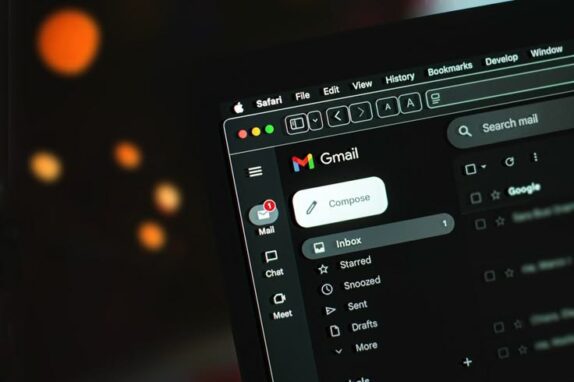
The subject line read: “Action Required: Verify Your Account & Claim Your $100 Bonus.”
He sat up. A hundred dollars. Not a fortune, but meaningful. He opened the email. It looked exactly right, the bank’s logo, the familiar color scheme, professional language, a friendly tone. It said the bank was rewarding loyal customers with a limited-time bonus, but that he needed to verify his account credentials within 24 hours to qualify. A bold button at the bottom read: Claim Your Reward.
What David did not notice, what was designed to be unnoticeable, was the sender’s email address. In most email clients, at a glance, the two are visually indistinguishable. The attackers had registered a lookalike domain specifically to deceive. “He clicked the link expecting a quick gain. Nothing happened. The page loaded briefly and went blank.”
David felt a flicker of confusion, then dismissed it. Maybe the site was down. Maybe the offer had expired. He put his phone away and went to sleep.
Three days later, he received a genuine message from his bank, this time a security alert. Someone had attempted to access his account from an unrecognised device in another city. The bank’s fraud detection system had flagged the login attempt immediately. Multi-factor authentication blocked the access. His account was safe.
But the attempted breach was real. The moment he had clicked that link and the blank page had loaded, a phishing script had captured whatever he had begun to enter. The attackers had tried to use it. They had failed, not because David had been careful, but because his bank’s layered security had held the line.
Why Cybercriminals Are Targeting Young Professionals
David’s experience is not unusual. Phishing, smishing (SMS-based phishing), and vishing (voice call scams) have surged in sophistication and volume over the past decade. Cybercriminals have refined their tactics to exploit not just technical vulnerabilities, but human ones, and young professionals represent an especially attractive target.
The reasons are layered. Gen Z and Millennials are digitally fluent, which paradoxically breeds a certain confidence that can lower defences. They conduct most of their financial lives online, banking, investing, sending money, increasing the number of entries points an attacker can exploit. And perhaps most critically, many are navigating financial pressure: student debt, cost-of-living stress, and the cultural anxiety of not achieving success fast enough. That emotional context is fertile ground for urgency-based manipulation.
Cybercriminals understand psychology. They engineer emails, texts, and calls that feel personal, credible, and time sensitive. The technology behind lookalike domains, AI-generated messaging, and cloned brand assets has made distinguishing the fake from the real genuinely difficult, even for technically savvy users.
When Security Systems Do Their Job Against Bank Phishing Scam
In David’s case, the outcome could have been far worse. What protected him was not vigilance, he had already clicked the link, but robust institutional security. Multi-factor authentication meant that a stolen password alone was not enough to access his account. AI-driven fraud detection recognised the anomalous login attempt and triggered an alert. Real-time account monitoring meant the breach attempt was caught and flagged within hours.
Banking institutions and organisations that invest in layered security architecture, combining MFA, behavioural analytics, device fingerprinting, and continuous monitoring, create meaningful barriers that protect users even when human vigilance falls short. That is not a reason to be careless; it is a reminder that strong security is a shared responsibility between institutions and the individuals they serve.
The lesson from David’s story is not that he was naive. It is that these attacks are designed by professionals to deceive. The best response is a combination of informed personal habits and reliable institutional safeguards working together.
Conclusion
Cyber threats evolve. So should your defences. Sentinel Africa Consulting partners with organisations across the continent to deliver cybersecurity training, workforce awareness programs, and resilience strategies that protect people, not just systems. Because the strongest firewall is an informed human being.
Article by Jovithe Ntwari, Associate, Sentinel Africa Consulting Rwanda
If your organisation is looking to strengthen its human layer of security and reduce exposure to phishing and social engineering attacks, our team is ready to support you.
Get in Touch
Sentinel Africa Consulting Ltd
📍 Rainbow Tower, 6th Floor, Muthithi Road, Nairobi, Kenya
📞 +254 20 2484888 | +254 715 484888
📧 [email protected]
Rwanda Office
📞 +250 782 746 073
📧 [email protected]
Uganda Office
📞 +256 757 818 444
📧 [email protected]
No comments yet