
Blog

Data Protection in Rwanda: How the Public Sector Is Building Real Compliance Capacity in 2026
Data protection in Rwanda is no longer a future obligation. It is a…
PPDA Uganda Makes History as the First Public Institution to Achieve ISO/IEC 27001:2022 Certification Under Uganda’s Digital Acceleration Project
On 12 June 2026, Uganda’s Minister of ICT and National…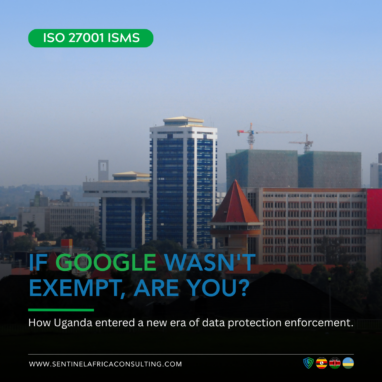
Data Protection Compliance Uganda: What Every Business Must Know After 2025’s Landmark Cases
On 10 July 2025, a courtroom in Kampala quietly changed the rules for…
Why ISO 7101 Is Needed: A Clear Comparison with Other Healthcare Standards
Imagine a hospital preparing to launch a new surgical service. The…
When a Successful Disaster Recovery Test Still Signals Failure
A Business Continuity & Resilience Awareness Week 2026 reflection…
The Most Dangerous Cyber Scam Right Now Looks Like Your Bank.
Phishing attacks targeting young professionals are at an all-time…
From Framework to Practice: Insights from Developing Uganda’s Data Protection Audit Manual
“I recently conducted privacy audits on government agencies that…
VAPT Beyond Compliance: Bridging Technical Findings and Governance Outcomes
More often than not, a Vulnerability Assessment and Penetration Test…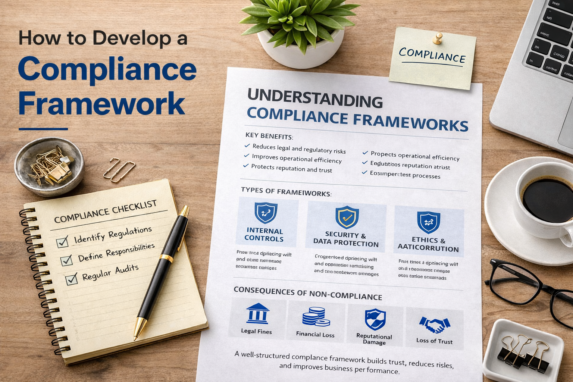
How to Create a National Compliance Framework
As African countries pursue economic growth, regional integration,…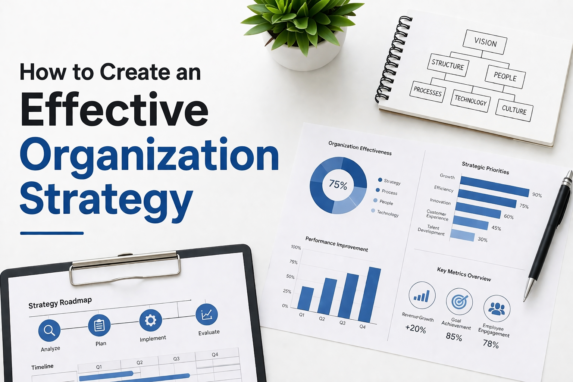
How to Create an Effective Organizational Strategy
🌍 An African Perspective In today’s fast-changing African…
Managed Vulnerability Monitoring in Kenya: Why Continuous Risk Detection Matters in 2026
Kenya’s digital economy is expanding rapidly, but so is its…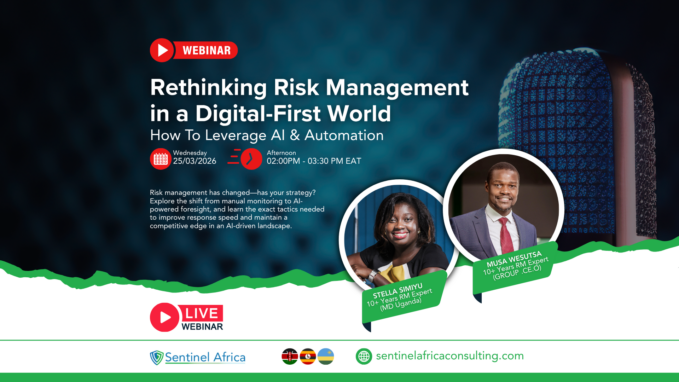
Rethinking Risk Management in a Digital First World – How To leverage AI & Automation
Introduction Risk management is changing. Not slowly. Not…
Do You Need ISO 27001 in Uganda? Why More Businesses Are Saying Yes
The Growing Importance of ISO 27001 in Uganda Not long ago, I sat in…
Rwanda Digital Acceleration Project (RDAP): What It Is and What It Means for Digital Infrastructure
Rwanda is currently implementing the Rwanda Digital Acceleration…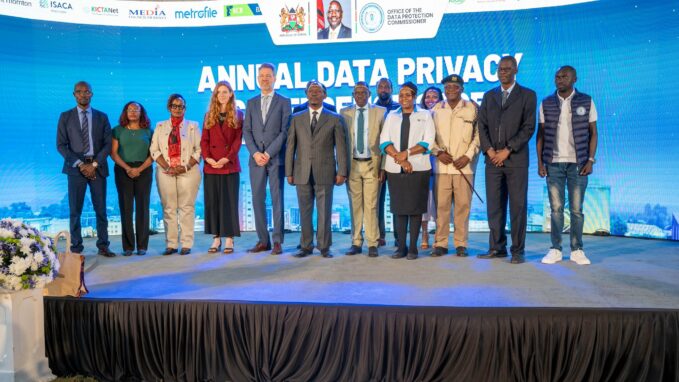
Data Privacy Conference 2026 and Kenya’s Push to Build Trust in the Digital Economy
Kenya’s Data Privacy Week culminated in the Data Privacy Conference…
Digital Manners: A Strategist’s Guide to Data Privacy in Uganda
Hi, I’m Stella. I used to introduce myself as a risk management…
The Nexus of Risk, Quality, and Healthcare
During one of my organizational development and change classes, a…
Why Privacy Concern is No Longer a Suggestion
In an age where our lives are mediated through screens, privacy…
Improving Retention and Quality of Care in Rwanda: ISO 7101:2023 as the Essential Healthcare Management Standard
Imagine a busy maternity ward at dawn: the lead midwife, tired but…
Consent and Lawful Data Processing: Your data has rights too!
In a digital world where personal data is constantly being collected,…
Mobile and Internet Privacy: What You Don’t Know Can Hurt You
In an age where nearly everything we do is connected to the internet,…
Phishing in the Age of AI: How Artificial Intelligence Is Supercharging Social Engineering
In today’s hyperconnected world, phishing remains one of the most…
Strengthening Data Protection Compliance:
Why Independent Assessments Are Essential for Kenyan Institutions In…
How to Protect Your Digital Footprint: Tips for Maintaining Privacy Online
“The internet is written in ink, not pencil.” – Claire Karemu…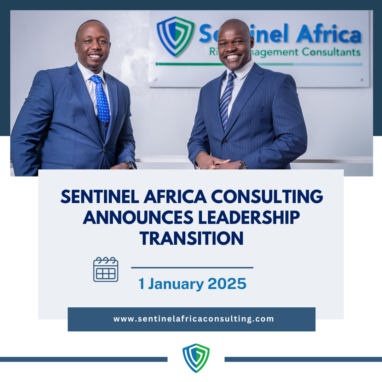
SENTINEL AFRICA CONSULTING ANNOUNCES LEADERSHIP TRANSITION
1st January 2025 brings news, Sentinel Africa Consulting is excited…
Enterprise Risk Management Solutions with ISO 31000 and Other Frameworks: Identifying and Mitigating Key Business Risks
Introduction In today’s fast-paced and complex business…
7 Simple Steps to Stay Safe Online During the Festive Season
Stay Safe Online this Festive season. The holiday season brings joy,…
Handling Information Security Management with ISO 27001
How Sentinel Africa helps with ISO 27001 In today’s interconnected…
Business Continuity Planning with ISO 22301 at Sentinel Africa – Ensuring Operational Resilience for 2025 and Beyond
Introduction As 2024 comes to a close, organizations across East…